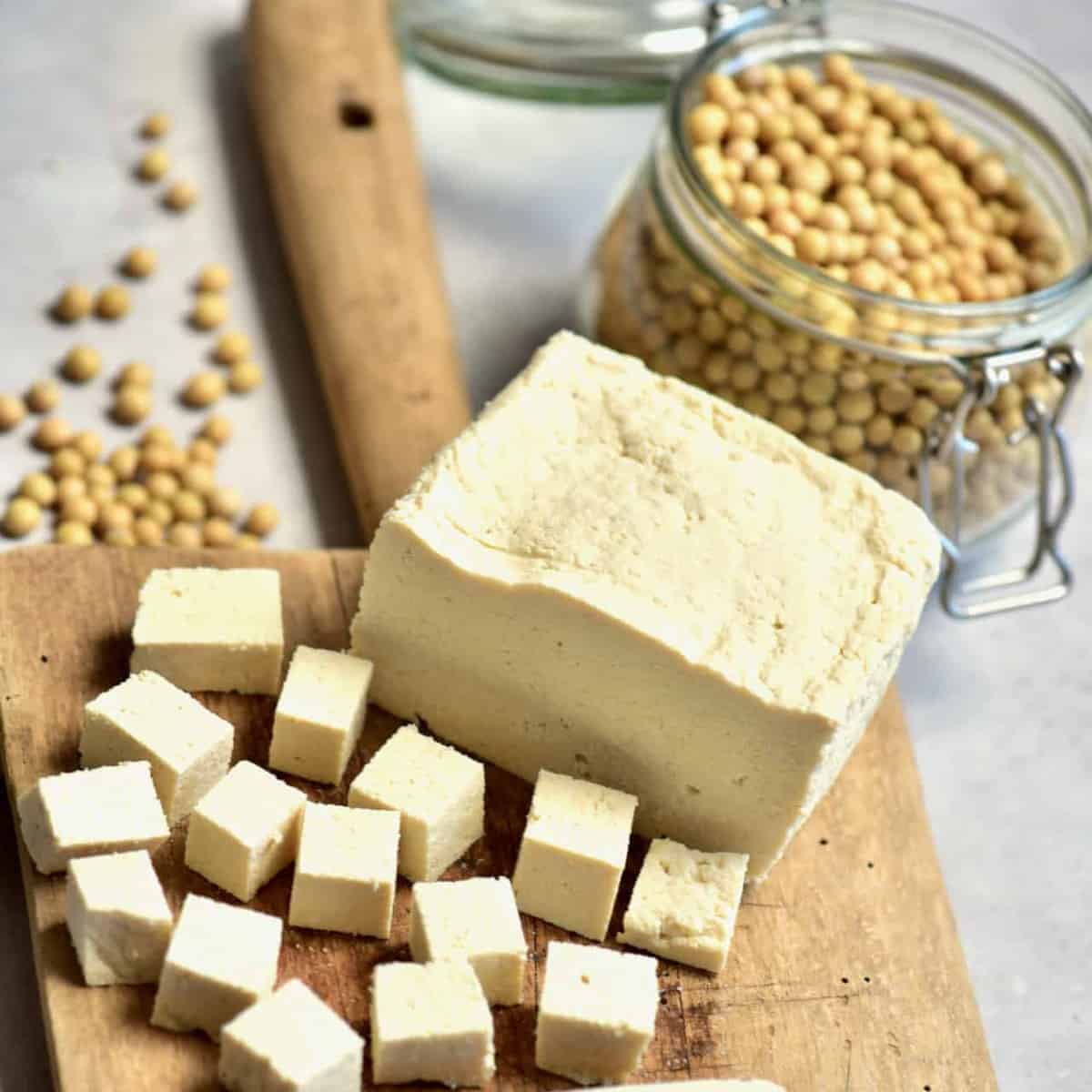
Mastering Homemade Tofu: 2 Simple Methods for Any Firmness
Tofu, the humble "bean curd," has transcended its Asian origins to become a beloved and versatile protein source in kitchens worldwide. For vegetarians, vegans, or anyone looking to incorporate more plant-based foods, tofu offers an unparalleled ability to absorb flavors and adapt to countless culinary creations. While store shelves boast an impressive variety, nothing quite compares to the freshness, affordability, and customization that comes with crafting your own. Imagine fresh, budget-friendly tofu, perfectly tailored to your desired firmness, all made from the comfort of your home. It’s not just possible; it’s surprisingly simple! In this comprehensive guide, we'll demystify the process and show you exactly
how to make tofu at home using two simple methods, ensuring delicious, homemade results every time.
The Magic Behind Tofu: What is Bean Curd?
At its heart, tofu is a marvel of culinary transformation, much like cheese. Its origins are steeped in ancient Chinese history, rumored to have been discovered over 2,000 years ago when a curious cook accidentally mixed coagulants with soy milk, leading to its delightful curdling. The fundamental principle is beautifully straightforward: soybeans are processed into soy milk, which is then curdled using a coagulant, much like dairy milk is curdled to make cheese. The resulting curds are then pressed to remove excess water and form the familiar block of tofu.
The primary ingredient, soybeans, often sparks discussion due to the prevalence of genetically modified (GMO) varieties in the US. However, for those who prefer to avoid GMOs, organic, non-GMO soybeans are readily available and highly recommended for homemade tofu, ensuring a pure and wholesome product. While the upfront cost for organic beans might be slightly higher, the savings compared to store-bought organic tofu are often substantial.
Why Make Tofu at Home? Unlocking Freshness and Savings
The decision to embark on the journey of homemade tofu comes with a bounty of benefits that extend far beyond mere culinary curiosity:
- Unbeatable Freshness: Like any homemade product, fresh tofu offers a superior taste and texture that's often lost in packaged varieties. You control the ingredients, ensuring no unwanted additives or preservatives.
- Significant Cost Savings: Store-bought tofu, especially organic options, can add up quickly. Making your own from dried soybeans is incredibly economical, often costing a fraction of the price per block. This makes homemade tofu a truly low-budget staple for your kitchen.
- Customized Firmness: This is arguably one of the biggest advantages. Tired of searching for that elusive "super extra-firm" or a perfectly delicate "soft" tofu? When you make it yourself, you dictate the pressing time, allowing you to achieve any desired firmness – from custardy silken to robust extra-firm – for any recipe.
- Empowering Experience: There's immense satisfaction in creating your own food staples. Understanding the process from start to finish connects you more deeply with what you eat.
- Dietary Control: For those with specific dietary needs or concerns about soy sourcing, making tofu at home gives you complete control over the quality of your soybeans.
Understanding Tofu Firmness: Your Guide to Homemade Varieties
One of the most exciting aspects of making tofu at home is the ability to precisely control its texture. Store-bought options often include silken, soft, firm, and extra-firm, but when you're the artisan, the possibilities are endless. The firmness of tofu is directly related to how much water has been pressed out of the curds.
- Silken Tofu: This delicate, unpressed tofu has a custardy, almost pudding-like consistency. It's often used in creamy desserts, smoothies, dips, sauces, and as a dairy alternative in baking. It requires very little to no pressing.
- Soft Tofu: Slightly firmer than silken but still very delicate, soft tofu crumbles easily. It's excellent for miso soup, scrambles, and as a base for creamy dressings. It receives minimal pressing.
- Firm Tofu: The most versatile type, firm tofu holds its shape well but still retains a good amount of moisture. It's great for stir-fries, general cooking, and absorbs marinades beautifully. Moderate pressing is applied.
- Extra-Firm Tofu: Dense and compact, extra-firm tofu is the champion of holding shape. It's ideal for baking, frying, grilling, or anywhere you need a robust texture that won't fall apart. This requires significant pressing to remove maximum water.
By adjusting the amount of time and pressure applied during the pressing stage, you can easily transition from soft to firm homemade tofu, perfectly suiting your recipe's needs.
Two Simple Methods for Homemade Tofu
The core process for making tofu remains consistent across methods: soak soybeans, blend into soy milk, cook the soy milk, add a coagulant, separate curds, and press. The key difference in methods lies primarily in the choice of coagulant. While various professional coagulants exist (like nigari or food-grade gypsum), we'll focus on two accessible approaches, making it simple for anyone to master
how to make tofu at home using two simple methods. Both methods are surprisingly straightforward and result in delicious homemade tofu, proving that high-quality, fresh tofu doesn't have to come with a hefty price tag.
Method 1: The Traditional Coagulant Approach (Using Nigari or Gypsum)
This method mirrors the traditional art of tofu making, using specific mineral salts to curdle the soy milk.
- Prepare Soy Milk: Start by soaking dried soybeans overnight. Blend the soaked beans with fresh water to create a milky slurry, then strain it through a nut milk bag or cheesecloth to extract pure soy milk. This homemade soy milk will be the foundation of your tofu.
- Cook the Soy Milk: Gently heat the soy milk in a large pot, stirring frequently to prevent scorching, until it reaches a specific temperature (typically around 180-190°F / 82-88°C), just below boiling.
- Add Coagulant: Dissolve your chosen coagulant (like nigari flakes or food-grade gypsum, both widely available online or in Asian markets) in a small amount of warm water. Remove the soy milk from the heat, allow it to cool slightly, and then slowly pour in the diluted coagulant, stirring gently for a few seconds.
- Curdling and Resting: Cover the pot and let it rest undisturbed for 10-15 minutes. You'll witness the magical transformation as the soy milk separates into distinct curds and a yellowish liquid (whey).
- Pressing: Carefully scoop the curds into a tofu press lined with cheesecloth. Fold the cheesecloth over, apply pressure, and allow the excess whey to drain. The longer and harder you press, the firmer your tofu will become.
For a detailed guide on mastering various firmness levels with minimal ingredients, see our article
DIY Tofu: Master Soft to Firm with Just a Few Ingredients.
Method 2: The Accessible Lemon Juice Alternative
This method is fantastic for beginners or anyone who prefers a readily available, natural alternative to traditional coagulants. The acidity of lemon juice acts as a superb curdling agent.
- Prepare Soy Milk: As with the traditional method, begin by making fresh, homemade soy milk from soaked and blended soybeans.
- Cook the Soy Milk: Heat the soy milk as described above, bringing it to the desired temperature.
- Add Lemon Juice: Remove the pot from the heat and allow the soy milk to cool slightly. Slowly pour in fresh lemon juice (typically 2-3 tablespoons per gallon of soy milk, though this can vary), stirring gently.
- Curdling and Resting: Cover and let the mixture rest for 10-15 minutes. You'll see the curds form similarly to the traditional method.
- Pressing: Transfer the curds to a cheesecloth-lined tofu press and press to your desired firmness.
This lemon juice method is particularly celebrated for its simplicity and cost-effectiveness. For a deep dive into this budget-friendly technique, check out our guide on
Easy Homemade Tofu: Low Budget & Lemon Juice Method.
Essential Tips for Homemade Tofu Success
*
Quality Soybeans are Key: Start with good quality, organic, non-GMO soybeans for the best flavor and yield.
*
Fresh Soy Milk Matters: The quality of your homemade soy milk directly impacts your tofu. Ensure it's thick and rich.
*
Temperature Control: Using a thermometer to ensure your soy milk is at the correct temperature before adding the coagulant is crucial for successful curdling.
*
Gentle Handling: Once curds form, handle them gently to prevent them from breaking up too much before pressing.
*
Pressing Power: Invest in a basic tofu press or create a DIY version using a colander, cheesecloth, and heavy objects. The longer and harder you press, the firmer your tofu will be.
*
Storage: Store freshly made tofu submerged in cold water in an airtight container in the refrigerator. Change the water daily for optimum freshness; it can last for up to a week.
Making tofu at home is not just a culinary task; it's an exploration into the art of food creation. With just a few simple ingredients and either of these two straightforward methods, you can confidently create your own delicious, customizable, and budget-friendly tofu. The satisfaction of crafting this versatile protein from scratch, tailored perfectly to your tastes and recipes, is truly rewarding. So, gather your ingredients, choose your method, and embark on your homemade tofu adventure – your taste buds (and your wallet) will thank you!