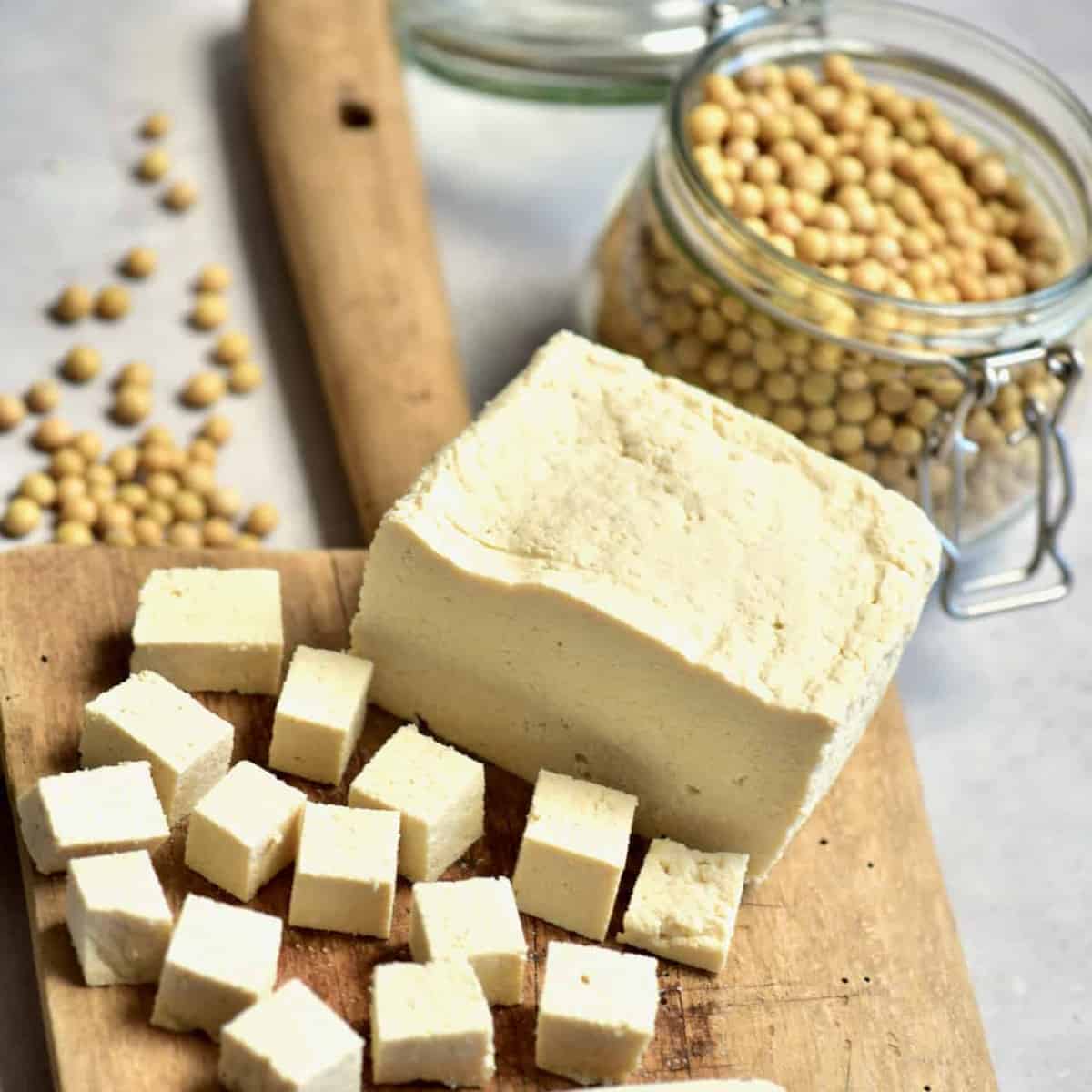
DIY Tofu: Master Soft to Firm with Just a Few Ingredients
Imagine crafting fresh, delicious tofu in your own kitchen, perfectly tailored to your preferred texture – from silky smooth to delightfully firm. Far from being an intimidating culinary feat, learning how to make tofu at home two simple methods can be an incredibly rewarding and surprisingly straightforward process. Much like the satisfying art of cheese-making, homemade tofu offers unparalleled freshness, affordability, and the ultimate control over your bean curd masterpiece.
For centuries, tofu has been a cornerstone of Asian cuisine and a vital protein source for vegetarians and vegans worldwide. Its ability to absorb flavors like a sponge makes it incredibly versatile, ready for baking, frying, simmering in soups, or adding substance to any dish. While grocery store shelves overflow with various tofu types, diving into the DIY world empowers you to create the exact consistency you need, eliminating confusion and ensuring culinary perfection every time.
In this comprehensive guide, we'll demystify the art of tofu-making, exploring the foundational principles and walking you through two simple methods to achieve everything from delicate silken to robust extra-firm tofu. Get ready to transform humble soybeans into a culinary marvel!
What is Tofu, Anyway? A Culinary Staple Born from Serendipity
Often referred to as "bean curd," tofu has graced tables globally for over 2,000 years, with its origins tracing back to ancient China. Legend has it that tofu was discovered by accident when a cook inadvertently mixed fresh soy milk with a natural coagulant, causing the milk to curdle. The resulting solids, when pressed, formed the very first block of tofu.
The process, remarkably similar to dairy cheese production, involves separating the liquid (whey) from the solids (curds) of soy milk. However, instead of cow's or goat's milk, tofu begins its life with soybeans. These versatile legumes are soaked, ground, and cooked to produce soy milk, which then becomes the canvas for your homemade tofu.
Beyond its rich history and fascinating creation, tofu is a nutritional powerhouse. It's an excellent source of plant-based protein, iron, and calcium, making it an invaluable addition to a balanced diet. Moreover, its mild flavor profile means it readily takes on the tastes of marinades, spices, and other ingredients, allowing it to adapt seamlessly to an endless array of recipes.
A note on soybeans: While soy products can sometimes spark debate regarding genetically modified (GMO) crops, consumers today have the clear choice to opt for organic, non-GMO soybeans. These ensure that your homemade tofu aligns with your dietary preferences and values, though they may come at a slightly higher cost than conventional varieties.
Understanding Tofu Firmness: Your DIY Advantage
One of the most exciting aspects of learning how to make tofu at home two simple methods is gaining complete command over its texture. Store-bought tofu comes in a bewildering array of options: silken, soft, firm, extra-firm, and sometimes even super-firm. But what do these terms really mean for your cooking?
- Silken Tofu: This is the least pressed and most delicate variety, with a custard-like, often jelly-like consistency. It's ideal for creamy sauces, smoothies, vegan cheesecakes, and salad dressings where you want a smooth, unnoticeable texture.
- Soft Tofu: A little firmer than silken but still very delicate, soft tofu crumbles easily. It's excellent for savory dishes like mapo tofu, scrambles, or as a dairy-free base for puddings.
- Firm Tofu: This is a popular all-rounder, holding its shape well when sliced or cubed. It's versatile for stir-fries, soups, and light frying, offering a satisfying chew.
- Extra-Firm Tofu: Dense and compact, extra-firm tofu has been pressed extensively to remove most of its water content. It's perfect for grilling, baking, or pan-frying, as it crisps up beautifully and maintains its structure.
When you make tofu at home, you dictate the pressing time and pressure, directly influencing the final firmness. This means no more guessing games or settling for a texture that isn't quite right for your recipe. You become the artisan of your tofu, ensuring it perfectly complements your culinary vision.
Mastering Homemade Tofu: Two Simple Methods for Any Firmness
The core of tofu creation lies in two crucial steps: extracting soy milk and then coagulating and pressing that milk. Whether you're aiming for a delicate silken tofu or a robust extra-firm block, the journey begins with quality soybeans and culminates with your chosen method of coagulation. We're going to explore how to make tofu at home two simple methods, one using traditional coagulants and another utilizing a readily available household ingredient.
The beauty of these methods is their foundational similarity. In essence, you'll be:
- Soaking and grinding dried soybeans to produce a rich soy milk.
- Heating the soy milk.
- Introducing a coagulant to separate the soy milk into curds and whey.
- Gently scooping the curds into a tofu press or a cheesecloth-lined mold.
- Applying pressure to expel excess water, thereby determining the tofu's final firmness.
Each of the following methods offers a slightly different approach to the coagulation step, impacting flavor, texture, and ease of access to ingredients.
Method 1: The Traditional Path with Nigari or Gypsum
For those seeking the most authentic flavor and texture, traditional coagulants like nigari (magnesium chloride) or food-grade gypsum (calcium sulfate) are the way to go. These minerals react with the proteins in soy milk to form delicate curds, imparting a subtle sweetness or slight minerality that tofu aficionados appreciate.
Nigari, often sourced from evaporated seawater, is highly effective and gives tofu a slightly more complex flavor. Gypsum, on the other hand, is a calcium-rich mineral that produces a very smooth, creamy texture and is often preferred for silken and soft tofu varieties due to its slower coagulation process.
Using these coagulants involves dissolving them in water and then slowly stirring the solution into warm soy milk. The magic happens as the milk begins to curdle, forming distinct white curds suspended in yellowish whey. The curds are then carefully transferred to a press, and the desired firmness is achieved through controlled pressing. The longer and harder you press, the firmer your tofu will be.
Method 2: The Accessible Lemon Juice Alternative (Beginner-Friendly!)
If you're new to tofu making or simply prefer using ingredients you already have, lemon juice is an excellent, low-budget, and effective coagulant. This method is incredibly popular for its simplicity and accessibility, making it a fantastic entry point into homemade tofu. Lemon juice, being acidic, reacts with soy proteins in a similar way to traditional coagulants, though it can impart a very subtle citrus note that some find appealing.
The process is straightforward: once your homemade soy milk is heated, you'll slowly drizzle in fresh lemon juice while gently stirring. You'll witness the satisfying transformation as the soy milk separates into curds and whey right before your eyes. While lemon-coagulated tofu can be a touch more crumbly than its nigari or gypsum counterparts, it still produces delicious and versatile tofu perfect for a wide range of dishes. It's a testament to the fact that you don't need specialized ingredients to achieve fantastic results.
For a detailed breakdown and practical tips on mastering this budget-friendly approach, you might find our guide on Easy Homemade Tofu: Low Budget & Lemon Juice Method incredibly helpful.
Practical Tips for Perfect Homemade Tofu Every Time
Embarking on your DIY tofu journey is exciting, and with a few insights, you can ensure success from your very first batch:
- Quality Soybeans Are Key: Start with good quality, organic, non-GMO dried soybeans. Their freshness and quality directly impact the flavor and yield of your soy milk and, consequently, your tofu.
- Master Your Soy Milk: The foundation of great tofu is great soy milk. Ensure your homemade soy milk is smooth, free of pulp, and properly cooked. Many recipes call for cooking the soy milk for a specific duration to ensure the proteins are ready for coagulation.
- Temperature Control: Pay attention to the temperature of your soy milk when adding the coagulant. Too hot or too cold, and coagulation might not occur optimally. Follow your chosen recipe's temperature recommendations closely.
- Gentle Stirring: When adding the coagulant, stir very gently and just enough to distribute it. Over-stirring can break up the delicate curds as they form, leading to a lower yield and a less cohesive final product.
- Pressing for Firmness: This is where you control the texture. For silken tofu, little to no pressing is needed. For soft, press lightly for 15-30 minutes. For firm, press for 1-2 hours. For extra-firm, press for 3-4 hours or even longer, applying more weight. Experiment to find your sweet spot! A dedicated tofu press is ideal, but a colander lined with cheesecloth and weighted with cans or books works too.
- Storage: Once made, store your homemade tofu submerged in fresh, cold water in an airtight container in the refrigerator. Change the water daily, and your tofu can last for 3-5 days.
Experimentation is part of the fun! Don't be afraid to try different pressing times, adjust coagulant amounts slightly, or even explore various flavoring options once you've mastered the basic techniques. For more advanced tips and tricks on achieving specific firmness levels, delve into our comprehensive guide: Make Tofu at Home: 2 Simple Methods for Any Firmness.
Conclusion
Making your own tofu is a rewarding culinary adventure that empowers you with control, freshness, and significant savings compared to store-bought varieties. By understanding the simple science behind it and applying either the traditional coagulant method or the accessible lemon juice alternative, you can effortlessly master how to make tofu at home two simple methods. From creamy desserts to crispy stir-fries, your homemade tofu will elevate your cooking and provide a delicious, healthy, and versatile ingredient tailored precisely to your taste. So, gather your soybeans, choose your method, and embark on the satisfying journey of crafting your very own bean curd masterpiece!
