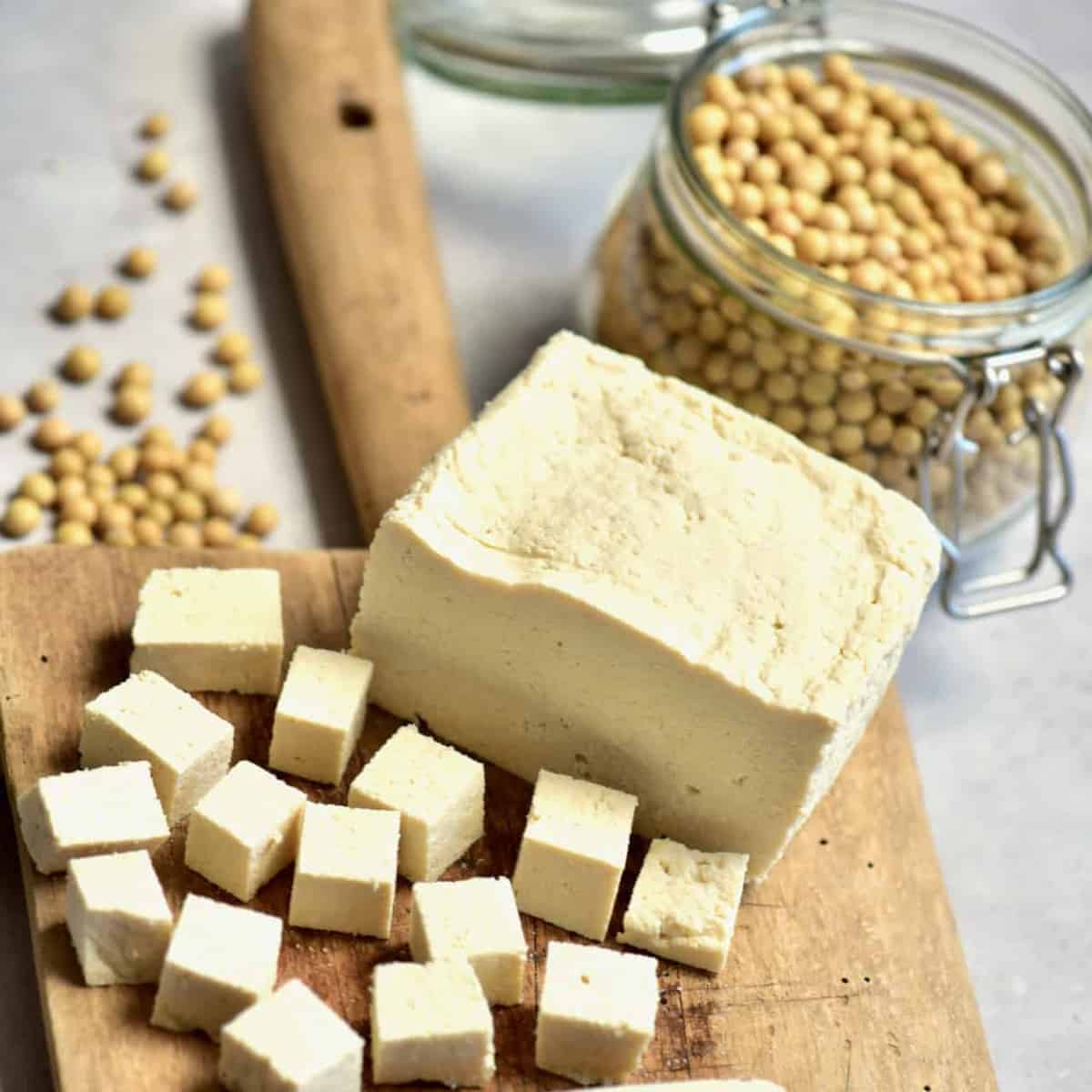
Easy Homemade Tofu: A Low-Budget & Lemon Juice Method
Imagine crafting fresh, delicious tofu right in your own kitchen, exactly to your preferred firmness, and without breaking the bank. It might sound intimidating, but learning how to make tofu at home two simple methods is not only incredibly straightforward but also a deeply satisfying culinary adventure. Forget expensive store-bought varieties and the confusion of countless options – with just a few basic ingredients and a little patience, you can master homemade tofu that's fresher, often cheaper, and perfectly tailored to your needs. This guide will walk you through two fantastic methods, with a special focus on an accessible, low-budget approach using everyday lemon juice as your secret weapon.
What is Tofu and Why Make It Yourself?
Often called "bean curd," tofu is a versatile, protein-rich food made from soybeans. Its origins trace back over 2,000 years to China, believed to be discovered accidentally when someone mixed soy milk with a natural coagulant, causing it to curdle. The process is remarkably similar to making cheese, but instead of dairy milk, tofu begins with soybeans. The curds are then pressed into a solid block, creating the versatile food we know and love.
For vegetarians and vegans, tofu is an indispensable source of plant-based protein, capable of absorbing flavors like a sponge and adapting to countless dishes – from stir-fries and scrambles to desserts and baked entrées. But beyond its culinary versatility and nutritional benefits, making tofu at home offers several compelling advantages:
- Cost-Effective: Homemade tofu is often significantly cheaper than its store-bought counterparts, especially if you buy dried soybeans in bulk.
- Control Over Firmness: Store shelves can be overwhelming with options like silken, soft, firm, and extra-firm. Making it yourself means you dictate the texture, ensuring it's perfect for whatever recipe you have in mind.
- Freshness and Quality: There's nothing quite like the taste and texture of freshly made tofu. You control the ingredients, opting for organic, non-GMO soybeans if preferred.
- Empowerment & Education: Understanding the simple process demystifies this ancient food and connects you more deeply with what you eat. It's a fun and rewarding DIY kitchen project!
Understanding Coagulants: The Heart of Tofu Making
The magic behind transforming liquid soy milk into solid tofu lies in the use of a coagulant. These substances cause the proteins in the soy milk to curdle and separate, forming the curds that will eventually be pressed into tofu.
Traditionally, coagulants like Nigari (magnesium chloride) or Gypsum (calcium sulfate) are used. These mineral salts are highly effective but can sometimes be harder to source for the average home cook. This is where our featured, low-budget method shines.
Lemon Juice: Your Accessible Coagulant
Yes, ordinary lemon juice can effectively coagulate soy milk, making it an excellent, natural, and readily available alternative. It's acidic, much like the rennet used in dairy cheese making or vinegar for paneer, and it yields delicious, slightly tangy tofu. This method is particularly attractive for beginners or anyone looking for a no-fuss approach to DIY Tofu: Master Soft to Firm with Just a Few Ingredients using common household ingredients.
How To Make Tofu At Home: Two Simple Methods (with a Lemon Juice Focus)
Both methods begin with the same fundamental steps of preparing fresh soy milk. If you already have homemade soy milk on hand, you can skip the first few steps.
Method 1: The Traditional Path (Using Nigari or Gypsum)
This method follows the classic approach once your soy milk is ready:
- Prepare Soy Milk: Soak dried soybeans overnight, then blend them with water and strain thoroughly using a cheesecloth or nut milk bag to separate the liquid soy milk from the okara (pulp).
- Heat Soy Milk: Gently heat the fresh soy milk in a large pot, stirring occasionally to prevent scorching. Bring it to a near-boil, then reduce heat and simmer for about 5-10 minutes.
- Prepare Coagulant: Dissolve your chosen coagulant (e.g., 1-2 teaspoons of Nigari or Gypsum per liter of soy milk) in a small amount of warm water.
- Curdle: Remove the soy milk from heat. Slowly pour the diluted coagulant into the hot soy milk, stirring very gently for about 30 seconds. Stop stirring, cover the pot, and let it rest for 10-15 minutes. You'll see the curds begin to separate from the yellowish whey.
- Press: Once adequately curdled, gently scoop the curds into a tofu press lined with cheesecloth. Press for 15 minutes to several hours, depending on your desired firmness.
Method 2: Easy Homemade Tofu with Lemon Juice
This is our star method, emphasizing simplicity and accessibility. It yields fantastic results and is perfect for a low-budget approach.
Ingredients You'll Need:
- 1 cup (about 180g) dried organic, non-GMO soybeans
- 8-10 cups filtered water (for soaking and blending)
- ¼ - ½ cup fresh lemon juice (from about 2-4 lemons, depending on size and acidity)
Equipment Essentials:
- Large bowl (for soaking)
- High-speed blender
- Fine-mesh strainer or colander
- Cheesecloth or a nut milk bag
- Large heavy-bottomed pot
- Spatula or wooden spoon
- Tofu press or a makeshift press (a colander, a square container, and heavy cans/books)
Step-by-Step Guide to Lemon Juice Tofu:
- Soak the Soybeans (Overnight): Place the dried soybeans in a large bowl and cover them with plenty of cold water (at least three times the volume of the beans, as they will expand significantly). Let them soak for 8-12 hours, or overnight. This softens them for easier blending.
- Make Fresh Soy Milk: Drain and rinse the soaked soybeans. Transfer half of the soybeans to a high-speed blender with 4 cups of filtered water. Blend on high for 2-3 minutes until completely smooth and creamy. Repeat with the remaining soybeans and another 4 cups of water.
- Strain the Soy Milk: Line a large bowl or pot with a cheesecloth or nut milk bag. Pour the blended soy mixture into the cloth. Gather the edges of the cloth and squeeze firmly to extract all the liquid soy milk. The remaining pulp is called okara, which can be used in other recipes.
- Heat the Soy Milk: Pour the fresh soy milk into a large, heavy-bottomed pot. Heat it over medium-high heat, stirring constantly to prevent scorching at the bottom. Bring it to a gentle boil, then reduce the heat to medium-low and simmer for 5-10 minutes. This cooks the soy milk and removes raw bean flavor. Remove from heat.
- Prepare the Lemon Juice Coagulant: While the soy milk simmers, prepare your lemon juice. For every 4 cups of soy milk, you'll need about 2-3 tablespoons of fresh lemon juice. Dilute the lemon juice with an equal amount of warm water (e.g., ¼ cup lemon juice + ¼ cup warm water).
- Curdle the Soy Milk: Let the hot soy milk cool slightly for about 5 minutes (to around 170-180°F or 77-82°C). Slowly pour about a third of the diluted lemon juice into the soy milk, stirring *very gently* a few times. Cover the pot and let it sit for 5 minutes. Gently check for curds. If it hasn't curdled sufficiently, add another third of the lemon juice solution, stir gently, cover, and rest again. Repeat until distinct curds separate from a clear, yellowish-green whey. Avoid over-stirring, which can break up the curds too much.
- Rest and Settle: Once curdled, cover the pot and let it rest undisturbed for 10-15 minutes. This allows the curds to settle at the bottom.
- Press the Tofu: Line your tofu press (or a colander/square container) with a fresh piece of cheesecloth, making sure there's enough overhang to fold over the top. Carefully ladle the curds into the lined press, allowing the whey to drain away. Once all curds are in, fold the excess cheesecloth over the top. Place the lid of your tofu press on top, or for a DIY press, place a flat plate/lid on the curds and then weigh it down with heavy cans or books.
- Achieve Desired Firmness: Press the tofu for:
- Soft Tofu: 15-30 minutes
- Firm Tofu: 1-2 hours
- Extra-Firm Tofu: 2-4 hours or more
The longer you press, the firmer your tofu will be. This control over texture is one of the greatest joys of making tofu at home! For more detailed guidance on achieving perfect textures, check out our guide on Make Tofu at Home: 2 Simple Methods for Any Firmness.
- Cool and Store: Once pressed to your liking, remove the tofu from the press and unwrap it. Submerge the block of tofu in a container filled with cold water and refrigerate. Change the water daily. It will keep fresh for 4-5 days.
Tips for Success with Lemon Juice Tofu:
- Fresh Lemon Juice is Key: Bottled lemon juice can contain preservatives or have a different acidity level. Freshly squeezed is always best.
- Temperature Matters: Ensure your soy milk is hot but not boiling when you add the coagulant. A slight cooling helps the curds form better.
- Gentle is Best: When adding the lemon juice and stirring, be very gentle. Vigorous stirring can prevent the curds from clumping effectively.
- Adjust Lemon Juice: The amount of lemon juice needed can vary slightly depending on the beans and the lemons themselves. Start with the lower estimate and add more gradually if the curds aren't forming.
- Don't Waste the Whey: The drained whey can be used in baking (like sourdough bread) or as a nutrient-rich liquid for watering plants.
Conclusion
Making your own tofu at home, especially using the simple and affordable lemon juice method, is a truly rewarding experience. From soaking soybeans to pressing your custom-firm block, each step is manageable and offers a deeper appreciation for this versatile plant-based protein. You gain complete control over ingredients, freshness, and most importantly, the exact texture you desire for any culinary creation. So, gather your beans and lemons, and embark on your journey to fresh, homemade tofu – your taste buds (and your budget) will thank you!
